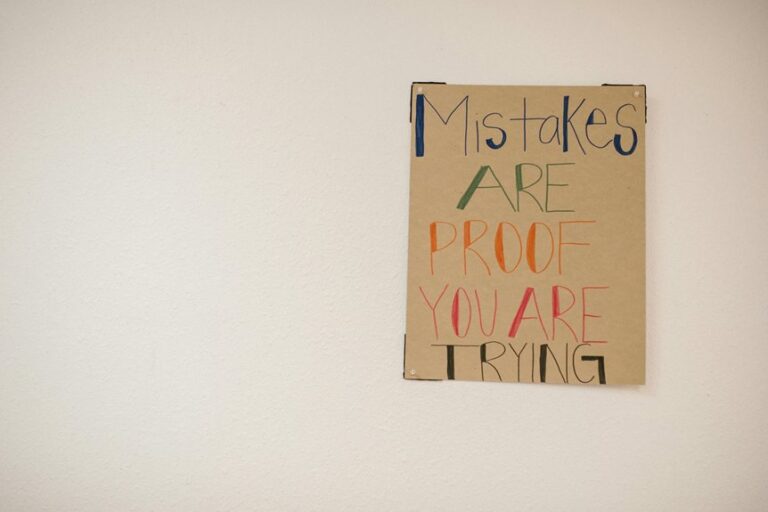


Life can punch you right in the gut sometimes. Your confidence shatters, your stomach drops, and suddenly you’re questioning everything. *Fantastic*, right?
The difference between people who bounce back and those who stay down isn’t some magical superpower. It’s literally just what they tell themselves when everything goes sideways.
Want to know what’s playing in the mental soundtrack of confident people during their worst moments? Their internal pep talks are probably not what you’d expect – and they’re definitely not the fluffy “you’re amazing” nonsense you see on Instagram.
These are the raw, honest conversations happening in their heads when the world seems determined to knock them flat. And trust me, learning them might just save your sanity during your next crisis.
Key Takeaways
- “This challenge is building my mental strength, not breaking it.”
- “I’ve overcome difficult situations before, and I’ll overcome this one too.”
- “This feeling of discomfort is temporary, not permanent.”
- “Taking small, actionable steps will help me move forward despite uncertainty.”
- “My worth isn’t determined by this situation or its outcome.”
I control how I respond, no one else does.
When life throws its worst at you, the one thing nobody can take away is your power to choose how you respond. This isn’t just feel-good nonsense—it’s a fundamental truth that confident people embrace completely.
While you can’t control that jerk cutting you off in traffic, your demanding boss, or the friend who cancels plans last minute, you absolutely own what happens next in your mind. The space between what happens to you and your reaction? That’s your superpower, your domain, where nobody else gets a vote unless you hand them the microphone.
This mindset separates those who remain steady during chaos from those who crumble. When you truly understand that your emotions and actions belong solely to you, challenging situations evolve from threatening disasters into opportunities for demonstrating your character.
Tough moments will always exist, but confident people recognize something profound—they mightn’t choose the circumstances, but they definitely choose their response to them. Taking ownership of your reactions isn’t easy, especially when emotions run high, yet it remains the clearest path to personal freedom in difficult times.
True self-assurance means you don’t need external validation to trust your decisions.
Every setback is a setup for a stronger comeback.
Although life’s hardest moments feel like terminal ends, they’re actually springboards disguised as failures that can propel us toward unprecedented growth. When you’re knocked down, your comeback strategy matters more than the fall itself, requiring both mental fortitude and tactical planning. Developing a resilience mindset isn’t just helpful—it’s essential for converting today’s pain into tomorrow’s strength, as each obstacle presents unique learning opportunities. The path to recovery requires acknowledging setbacks as temporary states rather than permanent conditions, while systematically building new capabilities through focused effort.
| Setback Type | Resilience Strategy | Growth Opportunity |
|---|---|---|
| Career failure | Skills assessment, network expansion, industry trend analysis | Advanced expertise, professional pivots, leadership development |
| Relationship loss | Self-reflection, boundary setting, emotional processing | Enhanced communication, stronger self-awareness, healthier attachments |
| Health challenge | Adaptive routines, lifestyle modifications, medical compliance | Improved body awareness, preventive health habits, stress management |
| Financial setback | Budget restructuring, expense tracking, income diversification | Financial literacy, investment knowledge, risk management skills |
The journey through adversity ultimately shapes our character and strengthens our capacity for future challenges, transforming temporary pain into lasting wisdom. Each setback creates neural pathways for enhanced problem-solving and emotional intelligence, while building a robust foundation of experiential knowledge that becomes invaluable in navigating life’s complexities. The process of overcoming obstacles develops not just resilience, but also adaptability and strategic thinking capabilities that serve us in countless future scenarios. This accumulated wisdom becomes a powerful toolkit for facing new challenges with increased confidence and capability. Confident individuals consistently view failures as valuable learning experiences that fuel personal growth and development.
I’ve solved problems harder than this before.
When you’re facing a formidable situation, reminding yourself “I’ve solved problems harder than this before” acts as a personal power statement that taps directly into your proven track record. This isn’t empty motivation—it’s evidence-based confidence built on your actual history of overcoming obstacles.
Your brain responds powerfully to this reminder, activating memories of past successes and triggering the same problem-solving skills that worked before. In those moments when doubt creeps in, recalling specific challenges you’ve conquered creates an immediate perspective shift.
This mental reframing technique works because it’s grounded in your authentic experience rather than wishful thinking. When anxiety spikes during difficult conversations, tight deadlines, or unexpected crises, pausing to inventory your previous victories reminds you that you possess real capabilities that transfer across different challenges.
The beauty of this approach lies in its simplicity—you don’t need elaborate strategies when you can simply draw on the same resilience, creativity, and determination that got you through tough spots before. Your personal history of problem-solving becomes your most reliable evidence that you can handle whatever comes next.
Making gradual confidence-building choices helps you create a solid foundation of self-trust that you can rely on during challenging times.
This moment won’t last; my effort will.
Embracing the temporary nature of difficult situations stands at the core of confident people’s resilience strategy. “This moment won’t last; my effort will” isn’t just a comforting phrase—it’s a powerful mental framework that puts you back in control during overwhelming challenges. This approach helps individuals develop a growth mindset that transforms obstacles into opportunities for development and learning. By recognizing the fleeting nature of challenging moments while maintaining focus on sustained effort, people can build lasting emotional resilience and adaptive capabilities. Natural confidence boosters include practicing these resilient mindsets daily to enhance both inner strength and outward attractiveness.
| Temporary Feelings | Your Response | Lasting Growth |
|---|---|---|
| Frustration | “I’ll channel this into focus and use it as fuel for progress” | Improved patience and emotional regulation skills |
| Self-doubt | “I’m learning, not failing, and each attempt brings new insights” | Enhanced self-awareness and confidence building |
| Overwhelm | “One step at a time, breaking big challenges into manageable pieces” | Better prioritization and strategic thinking |
| Fear | “This is growth in disguise, pushing me beyond comfort” | Expanded comfort zone and risk tolerance |
| Anxiety | “I’m gathering data through experience, not just worrying” | Developed problem-solving abilities |
| Uncertainty | “Every step forward is progress, even if the path isn’t clear” | Strengthened decision-making skills |
When you’re knee-deep in difficulties, remember those temporary feelings are just visitors, not permanent roommates. Your consistent effort creates the lasting growth that sticks around long after the tough moment passes. The discomfort you’re feeling now? It’s just your resilience muscles getting stronger.
The journey of building emotional resilience requires understanding that each challenge presents unique opportunities for personal evolution. By implementing this mindset consistently, individuals develop stronger coping mechanisms and more effective stress management strategies. This systematic approach to handling difficulties transforms temporary setbacks into permanent stepping stones for growth, creating a robust foundation for future challenges. The key lies in maintaining perspective while actively engaging in the process of personal development, recognizing that each moment of discomfort contributes to long-term strength and capability.
I’m focused on what I can change right now.
When life gets messy, confident people don’t waste energy complaining about circumstances beyond their control. Instead, they zero in on what’s actually within their power to change right this minute. It concerns drawing that mental circle around things you can influence—your reactions, your next steps, your attitude—and putting your full attention there.
This shift doesn’t pertain to ignoring problems; it involves recognizing where your personal power actually exists.
This mindset works because it converts overwhelm into action. Rather than spiraling about everything wrong in your situation (which, honestly, just keeps you stuck), you’re making practical moves that build momentum.
The magic happens when you ask yourself, “What’s one small thing I can do right now that would make this situation even slightly better?” Maybe it’s sending that uncomfortable email, taking a walk to clear your head, or simply deciding to approach a challenge with curiosity instead of dread.
Focusing on what you can change creates immediate forward motion, even when everything else feels completely out of control.
Starting with small daily actions helps establish a foundation of self-trust that naturally builds confidence over time.
Mistakes are proof I’m learning and moving forward.
Although we’ve been conditioned by society and traditional education to view mistakes as embarrassing failures or personal shortcomings, confident people recognize them as essential milestones on any meaningful journey toward growth and mastery. Research shows that individuals who embrace a growth mindset learn faster and achieve more than those who avoid challenges, making it crucial to reframe our relationship with failure. You’ll never develop new skills or reach your full potential if you’re too scared to mess up or take calculated risks. Embracing mistakes with a learning mindset transforms those face-palm moments into your greatest teachers, creating neural pathways that strengthen both resilience and adaptability.
| When You Say | What It Really Means |
|---|---|
| “I screwed up” | “I found another way that doesn’t work and added to my experiential knowledge base” |
| “I’m embarrassed” | “I’m growing outside my comfort zone and developing emotional resilience” |
| “That was painful” | “That was memorable, instructive, and will serve as a powerful reference point” |
| “I never want to do that again” | “I’ll do it better next time by applying what I’ve learned” |
| “I feel like giving up” | “I’m at the edge of a breakthrough and need to persist” |
| “I should have known better” | “I now have valuable insight that I didn’t have before” |
Next time you mess up (and you will), don’t beat yourself up or fall into negative self-talk patterns. Instead, ask: “What’s this teaching me?” Your mistakes aren’t detours—they’re the actual path forward.
The science of neuroplasticity shows that making mistakes actually strengthens our brain’s problem-solving capabilities and builds more robust neural connections. Every error creates an opportunity for your brain to refine its approach and develop more sophisticated strategies, making mistakes an essential component of both personal and professional development. The most successful individuals and innovators typically have the longest lists of failures behind them, proving that mistakes aren’t just acceptable—they’re a prerequisite for meaningful achievement and breakthrough discoveries. Regular self-assessment of confidence helps build a more accurate understanding of your growth journey and reinforces positive self-talk patterns.
I have the skills to handle this challenge.
When confidence wavers during life’s toughest moments, reminding yourself “I have the skills to handle this challenge” isn’t just positive thinking—it’s accessing your personal toolkit.
This mindset acknowledges that you’ve developed capabilities through past experiences, education, and overcoming previous obstacles. The truth is, we often underestimate our own abilities when facing intimidating situations, forgetting that we’ve successfully navigated difficult terrain before.
Taking inventory of your actual skills—not just hoping things work out—grounds your confidence in reality rather than wishful thinking.
Whether you’re confronting a difficult conversation, tackling a complex project, or charting a personal crisis, pausing to recognize your specific strengths creates a bridge between anxiety and action.
Your accumulated knowledge, problem-solving abilities, and emotional resilience aren’t theoretical concepts—they’re practical resources waiting to be deployed when challenges feel overwhelming.
Developing trusted habits daily helps build a foundation of genuine self-assurance that serves you in both calm and challenging times.
I won’t let fear decide my next step.
Fear presents itself as a protective guardian, but it’s actually the world’s most persuasive liar. When faced with tough choices, your brain floods with worst-case scenarios and triggers the fight-or-flight response, causing physical and emotional reactions that can paralyze decision-making. This isn’t your intuition speaking—it’s just fear attempting to hijack your cognitive processes and decision-making abilities through a flood of stress hormones and negative thoughts. Confident people recognize this psychological trap and refuse to let anxiety dictate their next move, instead choosing to evaluate situations through a lens of rational analysis and growth potential. Making bold life choices requires embracing uncertainty and pushing beyond comfortable limitations.
| Fear Says | Confidence Responds |
|---|---|
| “You’ll fail miserably and never recover” | “I might struggle, but I’ll learn valuable lessons and develop resilience” |
| “Everyone will judge you and talk behind your back” | “Their opinions aren’t my responsibility, and most people are too focused on themselves to judge” |
| “It’s too risky and you could lose everything” | “Calculated risks create growth, and I’ve prepared for various outcomes” |
| “You’re not ready yet – wait until you’re perfect” | “I’ll never feel 100% ready, but I’m capable of learning as I go” |
| “Remember last time? You made a fool of yourself” | “Past failures taught me what I needed and made me stronger” |
| “You don’t have what it takes to succeed” | “My capabilities grow with every challenge I face” |
Your fear management toolkit starts with naming the fear, then asking: “Is this protecting me or limiting me?” Choose growth over comfort. The process of overcoming fear requires consistent practice and deliberate exposure to challenges that stretch your comfort zone. Emotional resilience develops through facing fears head-on and recognizing that discomfort is a natural part of personal growth, while the temporary safety of avoidance leads to stagnation. Building confidence comes from accumulating small victories and understanding that each step forward, regardless of outcome, contributes to your development and strengthens your ability to handle future challenges.
I’m stronger than my toughest days.
Every confident person you admire has faced days that threatened to break them—yet they’re still standing.
That’s not because they’re superhuman or blessed with perfect circumstances; it’s because they’ve internalized this truth: “I’m stronger than my toughest days.” This mindset isn’t focused on pretending difficulties don’t exist, but rather acknowledging that your capacity to endure and adapt exceeds whatever temporary storm you’re weathering.
When you truly believe you outmatch your challenges, something remarkable happens. You stop identifying with your struggles and start seeing them as passing circumstances, not permanent definitions of who you are.
The pain, rejection, failure—they’re all real, sometimes brutally so—but they’re also finite. Meanwhile, your resilience, when consistently exercised, only grows stronger.
Remind yourself of previous battles you’ve survived when facing new ones, and you’ll recognize this powerful truth: no single day, regardless of how difficult, possesses more strength than you do.
Understanding and adopting confident mindsets can fundamentally transform how you navigate life’s challenges.
I choose action over doubt in every moment.
Although doubt may whisper convincing stories of why you shouldn’t move forward, confident people understand that action is the ultimate antidote to uncertainty. When you’re stuck in your head, analyzing every possible outcome, you’re feeding fear instead of starving it. The key to breaking free from this cycle lies in developing a consistent action-oriented mindset that prioritizes forward momentum over perfect certainty. Doubt Management becomes second nature when you train yourself to respond to uncertainty with immediate, purposeful movement rather than endless analysis.
| Doubt Says | Confidence Responds | Your Next Move |
|---|---|---|
| “What if I fail?” | “What if I succeed? Every setback brings valuable lessons” | Take the first small step now, document your progress |
| “I’m not ready yet” | “I’ll learn as I go, mastery comes through practice” | Start before you feel prepared, seek mentorship early |
| “Others might judge me” | “My growth matters more than external validation” | Focus on your journey, not opinions, build support systems |
| “It’s too risky” | “Regret is riskier, calculated risks build success” | Calculate, then leap anyway, maintain emergency plans |
The implementation of an Action Mindset requires consistent practice and deliberate reinforcement through daily choices. Building this muscle means actively choosing movement over meditation when faced with challenges, while maintaining awareness of the balance between thoughtful planning and excessive deliberation. The development of confident decision-making stems from accumulated experience rather than theoretical preparation, making each action step a vital component of personal growth. Creating daily confidence rituals helps establish a foundation of self-trust that grows stronger with each practiced moment.
My past wins show I can succeed again.
When things get rough, your track record is a goldmine of reassurance. Those moments when you crushed that presentation, survived that brutal breakup, or figured out how to thrive after losing your job weren’t flukes—they were evidence of your capability.
Remembering these victories isn’t about living in the past; it’s regarding extracting concrete proof that you have what it takes to overcome whatever’s in front of you now.
Your history of wins creates a psychological safety net during uncertainty. That time you learned a complex skill or navigated a difficult conversation with your boss demonstrates patterns of resilience and problem-solving that remain part of who you’re today.
When doubt creeps in (and it will), taking inventory of these past successes isn’t boasting—it’s acknowledging the truth that difficulty isn’t new territory for you. You’ve conquered challenges before, leaving breadcrumbs of confidence you can follow through today’s obstacles.
Making intentional mental shifts in how you view past experiences can rapidly transform your confidence levels and outlook on current challenges.
I am worthy of overcoming this difficulty.
Your track record is meaningful, but something even more fundamental matters: your inherent self-worth. When you face tough situations, remember that you deserve to overcome them—not because you’ve proven yourself before, but merely because you exist. Your inner value transcends any external measures of success or failure, creating a foundation of unshakeable confidence that exists independent of circumstances or outcomes. Your self worth isn’t tied to performance; it’s your birthright, and this fundamental truth remains constant whether you’re experiencing triumph or facing seemingly insurmountable challenges. Morning confidence rituals can help establish this mindset before facing daily challenges.
| Self Worth Affirmations | When to Use Them | Expected Result |
|---|---|---|
| “I deserve good things” | During moments of deep self-doubt or negative self-talk | Renewed confidence and increased self-compassion |
| “My struggles don’t define me” | After experiencing failures or significant setbacks | Emotional distance and perspective on challenges |
| “I am enough as I am” | When facing external criticism or judgment | Inner stability and reduced reactivity to others |
| “I honor my journey” | During moments of social comparison or envy | Self-acceptance and appreciation for personal growth |
| “I am worthy of success” | Before taking on new challenges or opportunities | Courage to act and resilience in pursuit of goals |
The journey of building self-worth involves consistent practice and gentle self-reflection. Understanding your inherent value isn’t a destination but rather an ongoing process of growth and self-discovery. Your ability to overcome difficulties stems from both your natural resilience and your conscious choice to honor your worth, creating a powerful combination that can help you navigate any challenge that comes your way. Embracing this truth allows you to approach obstacles not as threats to your worth, but as opportunities to demonstrate the strength that has always resided within you.
I will break this problem into smaller steps.
When life smacks you with a problem that feels like climbing Mount Everest in flip-flops, breaking it into smaller steps becomes your mental ladder to success. Confident people don’t tackle the entire mountain at once—they identify manageable chunks that don’t trigger panic sweats. They might grab a notebook, list out each mini-step of the challenge, and suddenly that impossible task changes into a series of “I can totally handle this” moments.
This approach isn’t merely about organization; it’s psychological warfare against overwhelm. Your brain literally calms down when it sees a path forward instead of an insurmountable obstacle.
Taking that massive project deadline, relationship conflict, or personal challenge and dividing it into bite-sized pieces gives you small victories to celebrate along the way. Each completed step builds momentum and reinforces your belief that yes, you’ve got this—even when everything inside you initially screamed otherwise. These quick confidence boosts can help you maintain composure and clarity while working through each step of your challenge.
Challenges sharpen me, not define me.
Although obstacles knock us down temporarily, confident people understand that challenges are like nature’s gym equipment—they build mental muscle rather than becoming permanent identity markers. When facing difficulties, you’re not “becoming a failure” – you’re developing resilience in adversity, transforming each setback into a stepping stone for growth. Personal development occurs most intensely during times of struggle, when we’re forced to adapt and evolve beyond our comfort zones. The tough stuff polishes you like a diamond under pressure, creating layers of strength and wisdom that become integral to your character.
| Challenge Type | What It Feels Like | What It Actually Does |
|---|---|---|
| Career setbacks | “I’m not good enough” to compete | Reveals your true priorities and hidden strengths while forcing strategic career planning |
| Relationship conflicts | “I’m unlovable” and destined to be alone | Teaches boundary-setting, communication skills, and emotional intelligence |
| Personal mistakes | “I’m a failure” who can’t succeed | Builds wisdom, humility, and practical problem-solving abilities |
| Financial struggles | “I’ll never achieve stability” | Develops resourcefulness and money management expertise |
| Health issues | “My body is betraying me” | Creates appreciation for wellness and cultivates disciplined self-care |
Think of challenges as opportunities in work clothes. They’re not wearing name tags that read “Hello, I’m your identity now.” They’re simply visitors bringing lessons you couldn’t learn any other way, each one carrying a hidden gift of growth.
The process of overcoming challenges creates a powerful transformation cycle that shapes our character and capabilities. Each obstacle we face activates our inner resources and reveals strengths we didn’t know we possessed, while simultaneously preparing us for future growth opportunities. Resilient individuals understand that temporary setbacks are not permanent defeats but rather essential components of personal evolution. By actively avoiding common self-doubt patterns, confident people maintain their forward momentum even during difficult times.
I am responsible for my progress today.
When confidence meets adversity, one truth stands above all others: nobody else holds the keys to your growth but you. Accepting that “I am responsible for my progress today” means dropping the comfortable illusion that external factors—other people, circumstances, or even fate—control your development. This mindset shift changes you from passive observer to active participant in your own story, allowing you to navigate tough moments with genuine agency rather than helpless frustration.
This responsibility doesn’t relate to blame or shame for past mistakes; it pertains to claiming your power in the present moment. Each time you face a challenge and think, “This is mine to handle,” you’re flexing a mental muscle that grows stronger with use.
The beautiful paradox? Owning your progress actually lightens your emotional load because you stop wasting energy on things beyond your control. When you fully embrace that today’s efforts determine tomorrow’s outcomes, you’ll find yourself making decisions that align with who you want to become—not just who you’ve always been. Making bold career decisions requires embracing personal accountability and trusting your judgment, even when the path forward seems uncertain.
Conclusion
Real confidence isn’t about being fearless – it’s about being scared and doing it anyway. You’ve survived 100% of your worst days so far, and this one won’t be different.
The most confident people aren’t walking around feeling invincible. They just got better at their internal pep talks**** when things get messy.
So grab these phrases and use them like tools in your mental toolbox. Because sometimes you need to be your own coach, therapist, and slightly sarcastic cheerleader all at once.
Keep moving forward – even if you have to drag yourself kicking and screaming. That’s what the truly strong ones do.