

We all know that gut-punch feeling when saying “no” or the sweaty-palm moments before diving into something unfamiliar. Your brain loves hitting the panic button**** – treating normal growth opportunities like they’re literal death threats.
Plot twist: Your internal alarm system is straight-up wrong most of the time. Those exact situations making you squirm? They’re usually the catalysts for your biggest breakthroughs.
The gap between being stuck and thriving isn’t some magical formula – it’s simply pushing through those *delightfully* uncomfortable moments your brain keeps screaming at you to run from. (Spoiler: Your brain can be quite the drama queen.)
Key Takeaways
- Setting firm boundaries with family and friends may feel uncomfortable initially but prevents burnout and fosters healthier relationships.
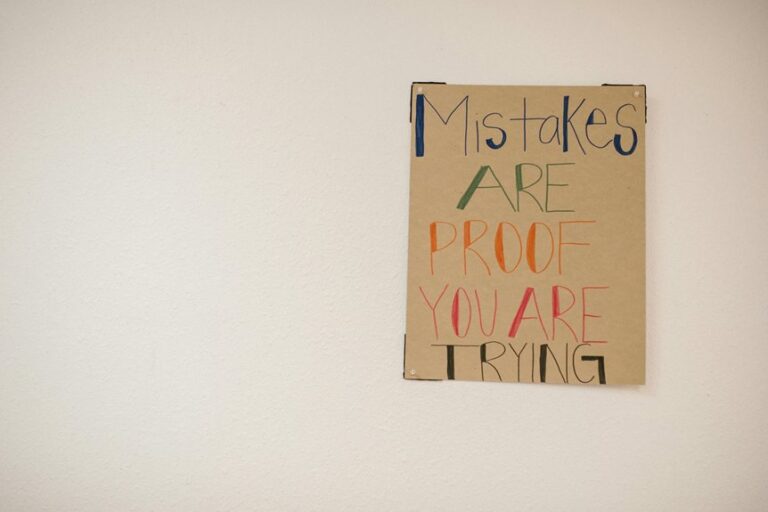
- Embracing failure provides valuable insights into personal capabilities and builds resilience that accelerates long-term growth.
- Asking for help during challenging times demonstrates strength and creates deeper connections through emotional vulnerability.
- Confronting financial realities by reviewing bank statements and creating budgets leads to improved economic well-being.
- Ending toxic relationships feels destabilizing but allows for personal growth and improved mental health through healthier connections.
Saying no when you need to
Saying “no” feels like turning down an opportunity or disappointing someone, which triggers that awful people-pleaser panic in many of us. We imagine worst-case scenarios where friends abandon us, bosses fire us, or family members hold eternal grudges.
Truth is, though, setting boundaries through strategic nos actually protects your mental health, prevents burnout, and earns you genuine respect from people who matter. When you stop overcommitting to things you genuinely don’t have capacity for, you create space for what truly matters to you.
The real magic happens when you practice saying no without excessive apologies or elaborate excuses. A simple, “I can’t take that on right now” or “That doesn’t work for my schedule” is completely sufficient.
The initial discomfort you feel will fade with practice, while the benefits multiply—better work quality on the things you do commit to, more energy for priorities that align with your values, and relationships based on authenticity rather than obligation.
Your anxiety might scream otherwise, but declining what doesn’t serve you isn’t just acceptable—it’s essential for sustainable success and wellbeing.
Breaking free from self-imposed limits often starts with learning to say no to what doesn’t align with your growth.
Trying something new outside your comfort zone
When your brain screams “danger!” at the mere thought of trying something unfamiliar, that’s actually your comfort zone’s alarm system working overtime to keep you safely tucked in familiar territory. The psychological response triggers a cascade of stress hormones, including cortisol and adrenaline, creating physical sensations of anxiety and hesitation. But here’s the truth: that discomfort is where real growth happens, as neuroscience shows our brains forming new neural pathways during challenging experiences. Pushing those boundaries might feel terrifying, but it’s the fast track to building lasting self-confidence and developing resilience through controlled exposure to uncertainty.
| Activity Type | Fear Factor | Growth Payoff |
|---|---|---|
| Public speaking | Terror sweats, dry mouth, racing heart | Voice finding, leadership presence, professional advancement |
| Dance lessons | Coordination anxiety, fear of judgment | Body confidence, improved posture, social connection |
| Adventure travel | Safety concerns, fear of unknown cultures | Life-changing stories, cultural awareness, adaptability skills |
| Art workshops | “I can’t draw” dread, perfectionism | Creative breakthrough, self-expression, mindfulness practice |
Whether it’s cooking classes, language learning, or fitness challenges, your comfort zone expands with each new experience like a muscle strengthening through exercise. Volunteering and outdoor activities might make your palms sweat initially, but they’ll eventually become your new normal as your brain adapts to these previously challenging situations.
The science behind comfort zone expansion reveals that each small step outside familiar territory activates our brain’s neuroplasticity, creating stronger neural connections and increasing our capacity for future challenges. Research shows that maintaining a balance between productive discomfort and overwhelming stress is key to achieving optimal growth, suggesting that starting with smaller challenges and gradually increasing difficulty leads to the most sustainable personal development. Embracing personal breakthroughs requires consistently stepping into uncomfortable situations that stretch your capabilities.
Speaking your mind honestly, even if it’s uncomfortable
Speaking your mind honestly—especially when your stomach’s doing somersaults at the thought—might seem as risky as crossing a tightrope without a safety net.
We’ve all swallowed our true opinions, nodded along to ideas we disagree with, or sugar-coated feedback to avoid rocking the boat. Truth is, this habit of silence creates an internal pressure cooker of unexpressed thoughts that often explodes in unexpected ways, damaging relationships more than straightforward honesty ever would.
The beautiful paradox? Thoughtful honesty actually strengthens connections rather than destroying them. When you express your authentic thoughts with respect and kindness (not as unfiltered verbal grenades), you build trust, establish clearer boundaries, and develop genuine relationships based on truth rather than comfortable pretense.
Taking the first step toward comfort zone expansion requires embracing the temporary anxiety that comes with honest expression.
Those uncomfortable conversations—whether declining an invitation you’d rather not accept, sharing a different perspective with a friend, or expressing needs in a relationship—create space for mutual growth and understanding that simply can’t exist in relationships built on pleasant falsehoods.
The initial discomfort almost always yields to something far more valuable: authenticity.
Embracing failure as a learning opportunity
Despite what your instincts scream, failure might be the most underrated tool in your personal growth arsenal. Your fail forward journey creates resilience that success simply can’t teach, as each setback provides unique insights into your capabilities and limitations. When you mess up, you’re not losing—you’re collecting valuable data about what doesn’t work, which is priceless information on your path to finding what does. This systematic approach to learning through failure builds a foundation of knowledge that becomes increasingly valuable over time.
| Failure Mindset | Growth Mindset Benefits |
|---|---|
| Embrace risk and uncertainty | Develop advanced problem-solving skills and adaptability |
| Seek constructive criticism actively | Build authentic confidence and emotional resilience |
| Welcome uncomfortable lessons | Create breakthrough innovation through systematic iteration |
| Accept imperfection | Foster continuous learning and skill development |
| Challenge comfort zones | Strengthen decision-making capabilities |
Think about it—every successful person you admire has a graveyard of failures behind them. The difference is they didn’t let fear paralyze them or prevent them from taking calculated risks.
Instead of avoiding potential flops, use them as stepping stones toward mastery and achievement. Your personal development depends on your ability to learn from faceplants, not avoid them, and this mindset shift can transform obstacles into opportunities.
The journey of personal growth through failure isn’t just about learning from mistakes—it’s about developing a deeper understanding of your capabilities and limitations. Each setback provides an opportunity to refine your approach and strengthen your problem-solving abilities, while simultaneously building the mental toughness needed for long-term success. The most valuable lessons often come from our most challenging failures, and embracing this reality can accelerate your progress toward your goals.
Conquering fear requires actively facing what frightens you to unlock life’s most meaningful lessons.
Investing in your personal growth, not just work
Many of us pour everything into our jobs, thinking career achievements will bring lasting satisfaction, while neglecting the less tangible investments in ourselves.
Truth bomb: dedicating time to personal development—whether learning new skills unrelated to work, exploring creative outlets, or nurturing relationships—often feels impossibly selfish when deadlines loom. Yet this exact discomfort signals you’re stretching beyond your comfort zone, which is where genuine growth happens.
The apparent “waste” of time spent on personal exploration actually recharges your mental batteries and broadens your perspective in ways that eventually benefit your work too.
The real risk isn’t investing in yourself; it’s the slow erosion of identity that comes from defining yourself solely through professional accomplishments. When you build a life rich with diverse experiences and capabilities, you create a psychological safety net that protects you from career setbacks.
Remember those people who seem mysteriously resilient when faced with job changes? They’ve typically cultivated interests, relationships, and skills outside their workplace—investments that might’ve seemed frivolous at the time but proved invaluable when circumstances shifted.
Your broader personal development isn’t just nice to have; it’s essential insurance for your long-term wellbeing.
Embracing daily challenges helps build the mental fortitude needed to navigate both personal and professional obstacles with confidence.
Setting boundaries with family and friends
Setting firm boundaries with family and friends often feels like you’re committing a social crime, doesn’t it? The truth is, establishing respectful boundaries is essential for relationship balance. When you avoid setting limits, you create an unsustainable pattern of people-pleasing that can damage your mental health and relationships. By neglecting to establish clear personal limits, you’re signing up for resentment, burnout, and fractured connections that could have been prevented through honest communication.
| Boundary Type | What It Sounds Like | Why It’s Worth The Risk |
|---|---|---|
| Personal Space | “I need alone time on Sundays to recharge” “My bedroom is private space” | Preserves mental health and allows for self-reflection and recovery |
| Emotional Distance | “I care about you, but I can’t be your therapist” “Let’s find professional support for this” | Prevents unhealthy dependence and maintains balanced relationships |
| Time Limits | “I can visit for three hours, then I need to leave” “Weekday visits need to end by 8 PM” | Maintains autonomy and helps manage energy levels |
| Financial Boundaries | “I can’t lend money right now” “Let’s keep our friendship separate from finances” | Protects financial wellbeing and prevents money-related conflicts |
Healthy communication doesn’t mean always saying yes to every request or demand. Using assertive dialogue during family dynamics challenges builds mutual understanding and respect between all parties involved.
The process of setting and maintaining healthy boundaries requires consistent practice and reinforcement over time. Understanding that initial resistance from others is normal can help you stay committed to your boundaries without feeling guilty. The long-term benefits of establishing clear limits far outweigh the temporary discomfort of implementing them, as they lead to more authentic and sustainable relationships. Creating and upholding boundaries is an act of self-respect that ultimately benefits both you and your relationships with others. Taking the first step outside your comfort zone by establishing boundaries can lead to personal growth and stronger relationships.
Prioritizing self-care over other people’s expectations
Saying “no” to your sister’s last-minute request for babysitting or turning down that work assignment when your plate is already full feels downright terrifying. Your brain screams, “They’ll think I’m selfish!” while your stomach ties itself in knots.
But prioritizing your own needs—getting enough sleep, maintaining boundaries, or simply having downtime—isn’t selfish; it’s actually essential maintenance. When you constantly sacrifice your wellbeing to meet others’ expectations, you’re basically running your internal battery down to zero, leaving nothing for yourself or anyone else in the long run.
The uncomfortable truth? Most people respect clear boundaries more than reluctant yeses. When you start prioritizing self-care—whether that’s a firm bedtime, scheduled exercise, or protected personal time—you’re not being difficult; you’re modeling healthy behavior for everyone around you.
The initial discomfort of disappointing someone pales compared to the sustained stress of living according to everyone else’s priorities. Your mental health genuinely matters, and treating it as non-negotiable might feel risky in the moment but builds a more sustainable, authentic life where you have more—not less—to give to those who truly matter to you. Embracing the hidden costs of staying perpetually comfortable can actually stunt your personal growth and potential.
Quitting a job that’s not fulfilling you
When your stomach twists every Sunday night at the thought of Monday morning, your job isn’t just unfulfilling—it’s actively draining your life force. The phenomenon known as Sunday Scaries is a clear indicator that your current position no longer serves your professional growth or personal wellbeing. You’ve been told quitting without another offer is career suicide, but staying in soul-crushing work might be the riskier move for your mental health and career clarity. The prolonged stress of remaining in an unfulfilling role can lead to burnout, decreased performance, and missed opportunities for genuine career advancement.
| What You Fear | What Actually Happens |
|---|---|
| Financial ruin | Most find new work within 3 months; savings buffer of 3-6 months is typically sufficient |
| Career gap judgment | Employers respect self-awareness; gaps under 6 months rarely impact hiring |
| Loss of identity | Discovery of genuine interests; opportunity to redefine professional goals |
| Disappointing others | Inspiring others to seek fulfillment; becoming a role model for positive change |
| Professional setback | Chance to pivot into more aligned work; development of new valuable skills |
| Market timing | Job markets are constantly evolving; timing is rarely “perfect” |
The financial security you cling to comes at the cost of your wellbeing. Remember, your skills are portable, and your experience doesn’t vanish when you hand in your resignation. Sometimes you need to create empty space before something better can rush in. Your professional worth extends far beyond your current role.
The journey of career transition often reveals unexpected opportunities and personal growth potential that wouldn’t be visible from within the comfort zone of your current position. The process of stepping away from unfulfilling work creates space for authentic career alignment and allows you to reassess your professional values and goals with clarity. Making the decision to prioritize your professional satisfaction over temporary stability takes courage, but it often leads to more sustainable and rewarding career paths in the long run. The skills and insights gained during this transition period frequently become valuable assets in future roles. Learning to overcome fear of challenges can transform perceived career risks into stepping stones for growth.
Seeking therapy or counseling when needed
Seeking therapy often feels like admitting defeat, as if you’re waving a white flag and announcing to everyone, “I can’t handle my problems alone.” The truth? Getting professional help is actually one of the bravest moves you can make.
Most of us walk around with emotional baggage we’ve never unpacked, desperately trying to convince ourselves and others that everything’s fine while silently drowning. Therapy gives you a judgment-free zone to unload those heavy thoughts and feelings that keep you stuck in unhealthy patterns—kind of like finally cleaning out that junk drawer that’s been bothering you for years, except it’s your mind getting the makeover.
The real risk isn’t in seeking help; it’s in avoiding it until small issues balloon into life-derailing problems. Talking with a qualified therapist or counselor provides tools you never knew existed for managing anxiety, depression, trauma, or even just everyday stress.
Those weekly sessions might make your palms sweat initially, but they’re actually an investment in preventing bigger crashes down the road. People who regularly attend therapy often report better relationships, improved work performance, and—imagine this—actually enjoying their own company.
The temporary discomfort of opening up pales in comparison to the freedom waiting on the other side. Learning to embrace discomfort during therapy sessions can lead to unprecedented personal growth and emotional resilience.
Although most people treat social media like oxygen for survival, deleting social media apps from your phone might be the mental health equivalent of a deep cleansing breath. The constant stream of notifications, likes, and updates creates an artificial sense of urgency that our brains weren’t designed to handle. Digital detox isn’t career suicide or social disconnection—it’s a path to mental clarity and emotional balance. Studies have shown that excessive social media use can lead to increased anxiety, depression, and decreased self-esteem, making a break essential for psychological well-being.
| What You Fear | What Actually Happens |
|---|---|
| Missing important news | Discovering what truly matters, focusing on local impact, and developing better news filtering habits |
| Friends forgetting you | Deeper conversations when you return, stronger authentic connections, and more meaningful interactions |
| FOMO kicking in | Finding joy in your immediate world, developing new hobbies, and appreciating present moments |
| Becoming irrelevant | Developing original thoughts again, enhanced creativity, and unique perspectives |
| Professional disadvantage | Increased focus and productivity, better work-life balance, and improved professional relationships |
When you step away, you’ll notice something weird—life goes on, and oddly enough, you feel more connected to it than ever before. Challenging comfort zones through temporary disconnection can lead to unexpected personal growth and renewed self-confidence.
The process of digital disconnection reveals how much time we actually spend scrolling mindlessly through our feeds. The newfound freedom allows for deeper engagement with hobbies, face-to-face relationships, and personal growth opportunities that social media often overshadows. Mental clarity returns as the constant comparison cycle breaks, and real-world experiences become more vivid and meaningful. The benefits of reduced screen time extend beyond mental health to improved sleep patterns, better posture, and enhanced real-world social skills.
Practicing mindfulness to reduce stress
Sitting quietly with your thoughts may sound like mental torture (especially when your to-do list is screaming at you), but mindfulness practice actually works wonders for stress reduction. Your brain is constantly processing thousands of thoughts, worries, and distractions – mindfulness simply asks you to notice them without judgment and gently return to the present moment.
This initial discomfort of confronting your racing mind often feels risky or counterproductive, yet research consistently shows that regular mindfulness practice physically changes your brain’s stress response, lowers blood pressure, and improves focus.
Most people avoid mindfulness because they believe they “can’t meditate” or they’re “doing it wrong,” but that’s exactly why it works so well – it centers around practice, not perfection. Starting with just five minutes of mindful breathing each day dramatically reduces cortisol levels (your body’s stress hormone) over time.
The awkward feeling of putting your phone down and just breathing might make you squirm at first, but it’s genuinely building resilience against anxiety and burnout – making it one of those counterintuitive practices that feels uncomfortable but delivers remarkable benefits for your mental health. Using empowering affirmations while practicing mindfulness can help overcome the initial fear of sitting with your thoughts.
Asking for help when you’re overwhelmed
When you’re drowning in work and stress, reaching out for support feels like admitting defeat—but it’s actually one of the bravest things you can do. The natural tendency to isolate ourselves during difficult times is a defense mechanism that ultimately works against us. That emotional vulnerability you’re avoiding is precisely what facilitates collaborative problem solving with people who genuinely want to help you. By opening up about our struggles, we create opportunities for deeper connections and more effective solutions.
| What You Fear | What Actually Happens | The Real Benefit |
|---|---|---|
| Looking weak | People respect your honesty and view you as self-aware | Reduced anxiety and immediate stress relief |
| Burdening others | Most people feel honored and appreciate your trust | Stronger relationships and mutual support networks |
| Losing control | You gain new perspectives and fresh approaches | Better solutions through collective wisdom |
| Being judged | Others share similar experiences and empathize | Increased self-acceptance and confidence |
| Appearing incompetent | People recognize your commitment to growth | Enhanced professional development |
Think about it—you’d help a friend in a heartbeat, right? Others feel the same way about you. The discomfort of asking lasts seconds, but the relief can last days. Stop white-knuckling your way through overwhelm when a simple “I need help” could change everything.
The process of seeking help is a fundamental part of personal growth and professional development. When we overcome our resistance to asking for assistance, we discover that most people are naturally inclined to support others. This act of reaching out not only solves immediate problems but also builds lasting networks of mutual support and understanding. The long-term benefits of developing this skill far outweigh any momentary discomfort we might experience. Taking calculated risks often leads to the most meaningful breakthroughs in our personal development journey.
Saying yes to opportunities that scare you
Your brain loves to keep you comfortable, sending little panic signals whenever you consider anything that might trigger anxiety. That party where you barely know anyone? That job interview for a role that feels beyond your current skills? Those moments when your stomach churns and your mind screams “abort mission” are precisely when saying yes could alter your life.
The discomfort you feel isn’t a warning sign—it’s growth knocking at your door, practically begging you to answer.
Every time you push through that initial resistance and accept an opportunity despite your sweaty palms and racing heart, you’re actively rewiring your brain’s response to challenges.
The truth? Most regrets come from opportunities declined, not from those awkward moments when you tried something and it didn’t go perfectly. When you consistently choose comfort over courage, you’re fundamentally telling yourself that avoiding temporary discomfort matters more than discovering new capabilities, connections, and experiences that might essentially change your life trajectory.
Learning to manage your finances better
Although most people avoid looking at their bank statements like they’re horror movie jump scares, facing your financial reality head-on is one of the bravest acts of self-care you can perform. Understanding your spending patterns and account balances can feel overwhelming at first, but this awareness forms the foundation of sound money management. Your subsequent self will appreciate your efforts for developing solid financial literacy now—even when it feels terrifying. Taking small steps toward financial awareness today can dramatically improve your economic wellbeing tomorrow.
| Financial Move | Feels Risky, But Actually… |
|---|---|
| Expense tracking | Reveals your spending triggers and emotional purchasing patterns; helps identify areas for painless cost-cutting |
| Budgeting strategies | Creates freedom, not restriction; allows for guilt-free spending within planned limits |
| Building emergency fund | Turns panic into peace of mind; provides 3-6 months of essential expenses coverage |
| Investment basics | Grows wealth while you sleep; compounds returns through diversified portfolio management |
| Debt management | Liberates your cash flow; reduces interest payments and improves credit score over time |
You don’t need to become a Wall Street wizard overnight. Start by setting one achievable financial goal this month, such as tracking daily expenses or researching retirement account options. Maybe it’s checking your credit score or calculating your retirement savings needs. Taking control of your finances is a journey of small, manageable steps.
The path to financial independence requires both patience and persistence, particularly when navigating through economic uncertainties. Building healthy money habits takes time, but each positive financial decision compounds like interest, creating a stronger foundation for your future. Wealth building isn’t about making perfect choices every time but rather about maintaining consistent progress and developing a positive relationship with money. Regular financial check-ins and adjustments to your strategy will help ensure you stay on track toward your long-term financial objectives.
Getting out of toxic relationships
Ending a toxic relationship feels like stepping off a ledge without knowing if there’s solid ground below. Your brain screams danger while your heart races with uncertainty—yet this seemingly risky move is actually one of the healthiest choices you can make.
Whether it’s a friendship that constantly leaves you drained, a romantic partner who undermines your worth, or a family relationship that’s become a battlefield, staying put is often more dangerous than walking away. The initial discomfort of setting boundaries or saying goodbye pales compared to the slow erosion of your wellbeing that comes from remaining in relationships that poison your self-esteem.
What makes leaving so difficult is that toxic bonds usually aren’t toxic all the time—they come with intermittent rewards, good memories, and those “but when it’s good, it’s really good” moments that keep you hooked.
The brain chemistry behind attachment is powerful stuff! But consider this truth: relationships should consistently add to your life, not repeatedly subtract from it.
Breaking free creates space for connections that nourish rather than deplete you. That temporary earthquake of change might feel catastrophic in the moment, but on the other side waits something precious that toxic relationships steal: the chance to become fully yourself again.
Frequently Asked Questions
How Do I Find Time for All This Personal Growth?
To find time for personal growth, start by auditing your daily schedule and identifying time-wasters. Block out specific growth periods – even 15 minutes daily counts. Wake up 30 minutes earlier, use lunch breaks effectively, or replace social media scrolling with learning activities. Stack new habits onto existing routines, like listening to podcasts during your commute or reading while having coffee. Remember that consistent small steps matter more than occasional big efforts.
What if Setting Boundaries Damages Important Relationships?
Setting boundaries may initially strain relationships, but it’s essential for your well-being and long-term relationship health. While some people might react negatively at first, those who genuinely care about you will respect your needs and adjust. If someone consistently disregards your boundaries or makes you feel guilty for having them, that’s a red flag worth addressing. Start with small, clear boundaries, communicate them calmly, and remember that it’s better to have fewer healthy relationships than many toxic ones.
Can These Practices Harm My Professional Reputation?
No – setting clear boundaries actually strengthens your professional reputation. When you establish and maintain appropriate limits at work, you demonstrate self-respect and leadership qualities that earn colleagues’ respect. People tend to value coworkers who can effectively manage their time, communicate expectations clearly, and maintain consistent professional standards. Rather than appearing difficult, you’ll be seen as someone who values quality work and professional relationships.
How Do I Know When Discomfort Is Growth Versus Actual Danger?
You can differentiate between growth discomfort and real danger by checking three key signs: First, growth discomfort gradually eases as you adapt, while danger signals typically intensify. Second, growth challenges push you toward positive change while respecting your boundaries, but danger actively threatens your wellbeing or values. Third, trust your gut instinct – if the discomfort makes you nervous but excited, it’s likely growth; if it fills you with genuine dread or panic, it’s probably danger.
What’s the First Step if I’m Paralyzed by Fear?
Take slow, deep breaths and acknowledge that what you’re feeling is real and valid. While breathing, remind yourself that fear-based paralysis is a common human experience. Then, choose one tiny action – even as simple as standing up or writing down your fear – and do it within the next five minutes. This small step breaks the paralysis cycle and gives you momentum to move forward.
Conclusion
Comfort zones are boring. Period. All that growth you want? It’s hiding in the stuff that makes you nervous.
Speaking up when you’re scared, saying “no” without guilt, screwing up spectacularly – these aren’t just risks, they’re your highway to becoming someone stronger.
The most interesting parts of life happen outside your safety bubble. So next time your gut twists at something uncomfortable? That’s probably exactly what you need to do.
Go ahead – be awkward, mess up, feel weird. At least you won’t be stuck wondering “what if?” while sitting in your perfectly safe, perfectly dull comfort zone.