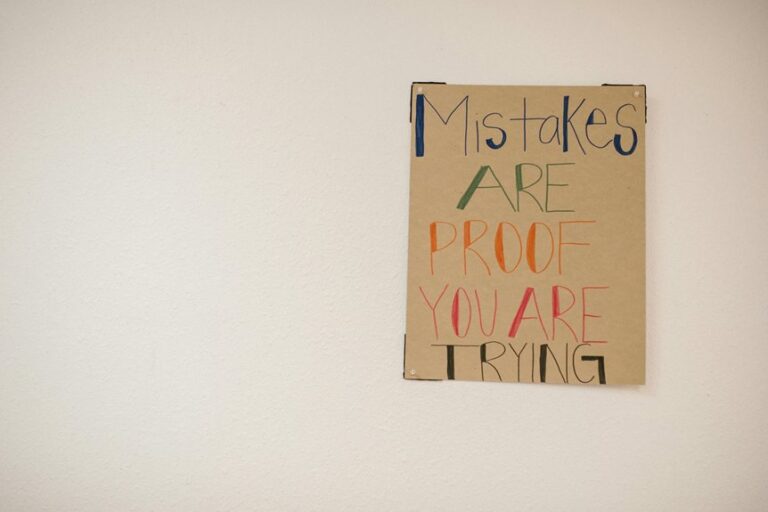


That nervous pit in your stomach when you’re terrified? It’s literally your internal compass pointing straight to personal growth.
Plain truth – you’ll never know what you’re truly capable of by playing it safe in your comfort zone.
Every single success story started with someone pushing through paralyzing fear to do the scary thing anyway.
The exact thing freaking you out right now probably contains your most important life lesson. Funny how that works, right? And yeah, the version of yourself waiting on the other side of that fear? Completely different person. Probably way cooler too.
Still scared? Good. That’s how you know you’re heading in the right direction. Here are 17 things you’ll only learn by doing the thing that scares you.
Key Takeaways
- Facing your fear reveals hidden strengths and capabilities you never knew you possessed.
- Confronting challenges builds authentic confidence that’s grounded in real experience rather than theory.
- Each conquered fear rewires your brain, gradually transforming perceived threats into manageable situations.
- Discomfort is the classroom where you learn your most valuable lessons in resilience and self-discovery.
- Pushing through fear creates momentum that breaks cycles of procrastination and fuels consistent action.
Fear often points to what you truly desire
That tightness in your chest when thinking about asking for a promotion? The sweaty palms before hitting “send” on your manuscript?
These physical manifestations of fear aren’t random—they’re actually signposts pointing toward what matters most to you. When something genuinely matters, your brain triggers fear as a protective mechanism, trying to shield you from potential disappointment or rejection. The intensity of your fear often directly correlates with how deeply you care about the outcome.
Examining what scares you can become a personal compass for identifying your genuine passions and ambitions. If the thought of public speaking terrifies you but you constantly daydream about sharing your ideas with large audiences, that contradiction reveals something important about your desires.
The goals that simultaneously frighten and attract you typically represent your most authentic aspirations—the ones worth pursuing despite discomfort. By walking toward these fears instead of away from them, you gain clarity about what you truly want from life, even when your instincts scream for you to retreat to safety. Learning to embrace risk and challenge becomes essential for personal growth and achieving your true potential.
You become stronger every time you face fear
Moving beyond identifying what your fears reveal about your desires, consider how each confrontation with anxiety serves as a catalyst for personal evolution and psychological resilience.
Your fear resilience grows like a muscle—stronger with each workout, developing neural pathways that make future challenges easier to navigate.
That stomach-churning moment just before you take action is actually your strength-building gym, where emotional fortitude and mental toughness are forged through deliberate practice.
| When You Avoid Fear | When You Face Fear |
|---|---|
| Temporary comfort in familiar patterns | Permanent growth and expanded comfort zone |
| Same recurring problems and limitations | New opportunities and expanded horizons |
| “What if” regrets and self-doubt | “I did it” pride and increased confidence |
| Skills remain stagnant and underdeveloped | Skills expand rapidly through active learning |
| Fear grows bigger and more controlling | Fear shrinks smaller with each victory |
| Limited social connections | Expanded network and relationships |
| Decreased self-trust | Enhanced self-reliance and trust |
| Rigid comfort zone | Flexible adaptation to challenges |
Think of it this way: nobody gets biceps from lifting feathers, and similarly, no one builds emotional resilience from staying in their comfort zone. Your emotional and mental muscles develop the same way—through resistance, challenging yourself to push beyond perceived limitations.
Understanding the mechanics of fear response is crucial for leveraging it as a tool for personal development. Each time you consciously choose to face your fears, you’re rewiring your brain’s threat response system and building a stronger foundation for future challenges.
This process of intentional exposure not only diminishes the power of specific fears but also develops a broader capacity for handling uncertainty and stress in all areas of life.
The ups and downs of stepping outside your comfort zone ultimately lead to personal transformation and growth.
You realize how capable you actually are
You’ve probably spent a lot of time underestimating yourself. We all do it—creating these invisible barriers around what we think we can handle, then living inside those boundaries like they’re physical walls.
But when you finally stare down something that scares you, whether that’s public speaking, setting boundaries, or jumping out of an airplane, something remarkable happens: you discover strength you never knew existed. It’s not that this capacity suddenly appeared; it was there all along, waiting for you to tap into it.
The most life-changing part about confronting fear isn’t even conquering what frightened you—it’s the stunning realization that follows. You find yourself thinking, “If I could handle that, what else might I be capable of?”
This question begins to dismantle those artificial limitations you’ve built around yourself. Each fear you face adds another piece of evidence to your growing case that you’re far more resilient, adaptable, and brave than the person you’ve been telling yourself you are. This isn’t just confidence—it’s a fundamental shift in how you understand yourself and your potential.
These self-imposed limits often manifest as rationalizations that keep us trapped in our comfort zone, preventing us from experiencing true growth.
Growth happens outside your comfort zone
While comfort feels safe and predictable, it’s actually the sworn enemy of your personal evolution and can significantly limit your potential for growth.
Every pivotal experience in your life has likely come from stepping into that scary, uncertain territory where your palms sweat and your heart races – these moments of intentional discomfort are where transformation begins.
When you push beyond familiar boundaries, you activate neural pathways that foster adaptation and learning, creating new possibilities for your personal development.
| Comfort Zone Behavior | Growth Zone Result |
|---|---|
| Avoiding challenges and making excuses | Building resilience through repeated exposure to difficulty |
| Sticking to rigid daily routines | Self-discovery journey leading to new passions and abilities |
| Fear-based decisions and risk avoidance | Confidence evolution through calculated risk-taking |
| Perfectionism and fear of failure | Embracing mistakes as valuable learning opportunities |
| Staying silent in difficult conversations | Finding your voice and developing authentic leadership |
| Resisting change and new technology | Adapting to innovation and staying relevant |
| Following others’ expectations | Developing personal values and boundaries |
Your brain loves the path of least resistance, hardwired through evolutionary adaptation to conserve energy and avoid potential threats. Overcoming this natural psychological inertia releases inner strength you didn’t know existed and activates your capacity for personal transformation.
The journey beyond comfort requires a delicate balance between challenge and capability, creating optimal conditions for sustained growth and development. Each time you consciously choose discomfort over convenience, you’re essentially rewiring your brain’s response to uncertainty and building greater psychological resilience.
Strategic discomfort becomes a powerful tool for personal evolution when approached with intention and awareness, allowing you to expand your capabilities while maintaining a sense of agency over your growth process. Understanding the hidden costs of comfort can motivate you to embrace necessary changes and maximize your life’s potential.
You’ll develop an unshakable confidence
When you repeatedly face your fears head-on, something magical happens inside your brain – you build evidence that you can handle tough situations. Each time you survive what terrifies you, whether it’s public speaking or skydiving, your mind adds another brick to your foundation of self-trust.
This isn’t the fragile confidence that comes from avoiding challenges; this is battle-tested, weatherproof confidence that whispers, “You’ve overcome difficult things before, and you can do it again.” Unlike the hollow confidence some people project, yours becomes genuine because it’s built on actual experiences of confronting discomfort and emerging stronger.
The beautiful part about this fear-earned confidence is how it spills over into completely unrelated areas of your life. After conquering your fear of rejection by asking for that promotion, suddenly approaching someone attractive at a coffee shop doesn’t seem so intimidating.
Your brain has learned a transferable lesson: discomfort won’t kill you, and pushing through fear yields rewards. People around you will notice this shift too – there’s something unmistakable about someone who’s faced their dragons and lived to tell the tale.
Using empowering affirmations daily can accelerate your journey to conquering fear and building confidence.
Your posture changes, your voice steadies, and decisions come more easily because deep down, you know whatever comes your way, you’ve got the tools to handle it.
Success feels more rewarding after fear is conquered
The sweetness of success intensifies exponentially when it follows the bitter taste of fear. You’ve probably noticed that achievements handed to you on a silver platter don’t give you that same rush as the ones you fought for through challenging circumstances and internal battles.
The psychological impact of overcoming fear creates deep neural pathways that enhance our perception of accomplishment.
When we push through our anxieties and face our deepest concerns head-on, the resulting victory becomes exponentially more meaningful and memorable. Making bold moves forward requires embracing the uncertainty that comes with change.
| Fear Stage | What You Feel | Reward After Conquering |
|---|---|---|
| Avoidance | Relief (temporary), anxiety, guilt, self-doubt | Missed opportunity, regret, diminished self-worth |
| Confrontation | Terror, anxiety, physical symptoms, racing thoughts | Pride, exhilaration, increased mental resilience |
| Stumbling | Embarrassment, shame, frustration, uncertainty | Valuable lessons, improved problem-solving skills, adaptability |
| Persistence | Determination, focus, renewed motivation, grit | Self-respect, enhanced willpower, strategic thinking |
| Breakthrough | Euphoria, excitement, sense of accomplishment | Lasting confidence, expanded comfort zone, personal growth |
The transformation process from fear to triumph follows a predictable yet powerful pattern in human psychology.
As we navigate through each stage of fear confrontation, our brains create new neural connections that strengthen our emotional resilience and expand our capacity for future challenges.
This scientific understanding of fear processing explains why those who regularly push beyond their comfort zones often experience accelerated personal growth and achievement compared to those who remain in safe, familiar territories.
Fear teaches you more about yourself
When you willingly step into what scares you, something remarkable happens—you discover parts of yourself you never knew existed.
Fear strips away pretenses, revealing your core values, hidden strengths, and true priorities. That moment when your heart races and your palms sweat? That’s when you learn what actually matters to you, rather than what you think should matter. The discomfort becomes your personal classroom, teaching lessons about your resilience, showing you where your boundaries really lie, and illuminating which risks are worth taking.
These revelations wouldn’t emerge during comfortable times—they need the spotlight of fear to become visible.
Someone terrified of public speaking who faces an audience might discover not merely that they can survive the experience, but that they actually have important things to say. A person afraid of commitment who finally opens up in a relationship learns their capacity for vulnerability is much greater than they imagined.
Fear doesn’t merely teach you random facts about yourself; it hands you a customized map of your internal landscape, complete with the treasures and obstacles that make you uniquely you.
Embracing transformation requires stepping into discomfort with courage, knowing that growth lies on the other side.
You begin to embrace discomfort as growth
Recognizing your true self through fear creates the foundation for your next evolution—seeing discomfort as a sign of growth rather than a warning to retreat.
When you’re embracing vulnerability, you’ll notice that life’s most uncomfortable moments often precede your biggest breakthroughs, as your mind and body adapt to new challenges and experiences.
That burning sensation in your gut isn’t just anxiety or fear—it’s a biological signal of transformation occurring at a cellular level.
The discomfort you feel is actually your comfort zone expanding and reforming, much like how muscles grow stronger through the micro-tears of exercise. Personal breakthroughs happen naturally when you cultivate uncomfortable habits in your daily life.
| Discomfort Type | What It Feels Like | What It’s Teaching You |
|---|---|---|
| Social anxiety | Sweaty palms, racing heart, tight chest, difficulty breathing | People aren’t analyzing you; your presence adds unique value to social situations |
| New skills | Frustration, confusion, mental exhaustion, self-doubt | Your brain is rewiring; neural pathways are forming to accommodate growth |
| Speaking up | Dry mouth, shaky voice, scattered thoughts, racing pulse | Your opinion matters; authentic communication drives meaningful change |
| Physical challenges | Muscle burn, fatigue, shortness of breath, trembling | Your limits are self-imposed; the body adapts to progressive demands |
| Emotional vulnerability | Exposure, rawness, heightened sensitivity, emotional turbulence | Connection requires discomfort cultivation; genuine relationships form through shared vulnerability |
The path to growth isn’t supposed to feel cozy. The discomfort you’re feeling isn’t punishment—it’s promotion.
Personal transformation requires embracing these moments of intense discomfort as stepping stones rather than obstacles. The journey through discomfort follows a predictable pattern: initial resistance, followed by gradual acceptance, and finally integration into your expanded sense of self.
Each time you push through these challenging experiences, you’re not just surviving them—you’re actively rewiring your brain’s response to stress and building emotional resilience that serves as armor for future growth opportunities.
You’ll learn to trust your instincts more
When you confront your fears head-on, something remarkable happens beneath all that anxiety—your gut instincts get sharper.
That little voice inside that whispers warnings or encouragement? It’s actually your subconscious processing information faster than your conscious mind can keep up. By repeatedly facing down scary situations, you’ll notice patterns emerging: that flutter in your stomach before a bad decision, or that sudden clarity when something feels right.
These aren’t random feelings; they’re your internal guidance system becoming more refined through experience.
The more you push through fear, the more evidence you collect about your own resilience and judgment, creating a positive feedback loop of self-trust.
Remember that time you were terrified to speak up but did anyway, and it changed everything? Or when you ignored that nagging feeling and regretted it later?
These experiences become valuable data points that teach you when to listen to your intuition and when to question it.
Trusting yourself doesn’t mean never being afraid—it means knowing the difference between fear that’s protecting you and fear that’s just holding you back, a distinction that only comes from practice and confrontation.
Recognizing the signs of personal growth challenges helps you identify when it’s time to take that leap of faith.
Procrastination fades when you act on fear
Procrastination thrives in the murky shadows of unaddressed fear, feeding on your hesitation until simple tasks transform into monstrous obstacles that loom larger with each passing moment.
When you finally face what scares you, something magical happens—you break the cycle of avoidance and step into a realm of action, where that nagging voice saying “do it tomorrow” grows quieter with each fear you confront, replaced by a surge of empowerment and momentum.
| Fear Type | Procrastination Triggers | What Happens When You Act |
|---|---|---|
| Social rejection | “What if they laugh?” “They’ll think I’m not good enough” | Confidence replaces doubt, social connections strengthen, authentic self emerges |
| Failure | “I’m not ready yet” “I need more preparation” | Skills improve through practice, resilience develops, setbacks become learning opportunities |
| Success | “I can’t handle attention” “Success might change me” | You discover hidden strengths, leadership abilities emerge, imposter syndrome diminishes |
| Unknown outcomes | “It might not work out” “Too many variables” | Motivation momentum builds, adaptability increases, problem-solving skills sharpen |
The rush you feel after pushing through fear creates forward motion, activating a powerful cycle of positive reinforcement. Each time you leap instead of hesitate, you’re teaching your brain that action beats anxiety, building neural pathways that favor courage over comfort.
The transformation from chronic procrastination to consistent action doesn’t happen overnight, but each small victory reinforces your capacity for growth. When you understand that fear is merely a signal to prepare rather than retreat, you begin to view challenges as opportunities for advancement rather than threats to avoid.
Breaking free from comfort requires embracing discomfort as your pathway to personal evolution.
You become less afraid of judgment and failure
When you repeatedly face your fears, the sting of potential judgment loses its power. Remember how terrifying it once felt to speak up in class or share your creative work? Each time you push through that discomfort, your brain recalibrates its threat assessment.
What once seemed like social life-or-death gradually changes into manageable nervousness, then merely a background hum.
You start caring less about others’ opinions not because you’ve become callous, but because you’ve proven to yourself that surviving criticism doesn’t destroy you.
Failure follows a similar pattern – the more you confront possibilities of failing, the less paralyzing they become. That presentation that flopped? That rejected job application? They stop defining your worth.
Instead, these experiences evolve into valuable data points rather than devastating verdicts on your character. The beautiful irony is that by becoming comfortable with potential failure, you actually create space to take bigger risks and achieve more meaningful successes.
Your relationship with failure shifts from mortal enemy to uncomfortable but necessary teacher, opening doors to opportunities your fearful self would never have approached.
Challenging common misconceptions about comfort zones helps us recognize that growth often requires embracing temporary discomfort.
The unknown doesn’t feel so intimidating anymore
As you repeatedly face what scares you, the vast territory of “the unknown” shrinks dramatically in your mind, transforming your perception of challenging situations through consistent exposure.
What once seemed like terrifying darkness becomes just another room where you haven’t turned on the light yet, similar to how a child learns that monsters aren’t real by checking under the bed.
That’s the magic of embracing uncertainty—it evolves from paralyzing fear into manageable curiosity, creating new neural pathways that process unfamiliar situations differently.
The brain’s natural tendency to catastrophize the unknown gradually gives way to a more balanced, rational assessment of potential outcomes.
| Fear Response | Before Facing Fears | After Facing Fears |
|---|---|---|
| Heart Rate | Racing, panicky (100+ BPM), sweaty palms | Quickened but controlled (80-90 BPM), mild excitement |
| Thoughts | “I can’t do this,” “Everything will go wrong” | “Let’s see what happens,” “I can handle this” |
| Action | Avoidance, excuses, physical withdrawal | Cautious steps forward, strategic planning |
| Physical Symptoms | Nausea, trembling, shallow breathing | Slight tension, deeper breathing, alert posture |
| Sleep Patterns | Insomnia, restless nights | Normal sleep with occasional anticipation |
You start viewing unknown adventures as potentially exciting rather than threatening, recognizing that growth lies beyond your comfort zone. Remember when you were scared of that presentation? Now you’re volunteering to speak, understanding that each challenge builds your resilience and capability.
Consider taking on a daily growth challenge to systematically confront and overcome your fears.
The transformation in handling uncertainty follows a predictable pattern of gradual desensitization, where each successful encounter with the unknown builds confidence and reduces anxiety.
This process, known as systematic exposure, rewires your brain’s threat-detection system to better distinguish between genuine dangers and mere unfamiliarity, allowing you to approach new situations with measured optimism rather than instinctive fear.
Facing fear leads to unexpected opportunities
When you push yourself to confront what scares you, life has this weird way of opening doors you never even noticed before. That terrifying job interview might lead to connections that completely change your career path. The scary conversation you’ve been avoiding could reveal solutions you hadn’t considered.
Fear acts like a gatekeeper, standing between you and countless possibilities that remain invisible until you muster the courage to walk through discomfort.
What’s fascinating about this process is how unpredictable these opportunities often are. You might force yourself to attend a social event despite anxiety, only to meet someone who becomes a close friend or valuable mentor. The public speaking challenge that made your stomach churn might catch the attention of someone offering your dream project.
When you step beyond your comfort zone, you’re fundamentally broadcasting to the universe that you’re available for experiences that your fearful self would have automatically filtered out.
The potential rewards waiting on the other side of fear are impossible to predict—and that’s precisely what makes facing fear so worthwhile.
You realize failure isn’t the end, just a lesson
One of the most revolutionary lessons you’ll discover from confronting fear is that failure isn’t the catastrophic, life-ending event your brain makes it out to be.
Through repeated exposure to challenging situations, you’ll learn that setbacks are actually stepping stones toward mastery, and each perceived failure adds another layer to your emotional resilience and problem-solving capabilities.
It’s actually an essential step in your growth mindset development, as each challenge reshapes your neural pathways and strengthens your adaptability in future situations.
When you face what terrifies you, failure evolves from a monster to a mentor, transforming into a powerful catalyst for personal and professional development.
| Failure Mindset | Lesson Learned | Growth Outcome |
|---|---|---|
| “I’m a disaster” | Embracing vulnerability and authentic self-expression | Redefining success through personal values and meaningful metrics |
| “I can’t do this” | Constructive feedback and skill gap identification | Resilience building through systematic improvement |
| “It’s too hard” | Learning curve recognition and milestone setting | Adaptive strategies and innovative problem-solving |
| “I always mess up” | Pattern recognition and behavior modification | Strategic planning and preventative measures |
| “Everyone else is better” | Comparative analysis and strength identification | Self-compassion and unique value proposition |
You’ll notice that overcoming obstacles isn’t about avoiding falls—it’s about getting better at picking yourself up, developing a robust emotional recovery system that serves you in all areas of life.
Each stumble provides data, not defeat, offering invaluable insights into your patterns, triggers, and areas for improvement.
The integration of failure resilience into your personal development journey creates a foundation for sustainable growth and achievement. This transformation occurs gradually through consistent exposure to challenges and mindful reflection on outcomes, allowing you to build a comprehensive toolkit of coping strategies and success mechanisms.
The journey’s messy, uncomfortable, and absolutely necessary, but these experiences shape you into someone who can handle increasingly complex challenges with grace and wisdom.
Fear shifts from paralyzing to motivating
When you first encounter fear, it typically feels like a brick wall standing between you and whatever you want.
Your heart races, your palms sweat, and your brain screams, “Run away!” This paralyzing effect can keep you stuck for days, months, or even years—preventing you from applying for that dream job, speaking in public, or having difficult conversations. Fear becomes the boss of your life, dictating what you can and can’t do.
But something remarkable happens when you deliberately step toward what scares you instead of backing away. That same fear—once so debilitating—gradually changes into a different energy altogether.
The anxiety doesn’t necessarily disappear, but it transforms into an energizing force that propels you forward rather than freezes you in place. This shift happens because confronting fear builds confidence in your ability to handle discomfort, turning the sensation from “I can’t do this” into “This is uncomfortable, but I’m doing it anyway.”
What once felt like a warning to stop becomes the very signal that you’re growing.
You start appreciating your progress more
This alteration of fear response reveals another unexpected gift in your journey: a newfound ability to celebrate your smallest victories and recognize incremental change. When you’re constantly battling what terrifies you, even tiny steps forward feel like massive achievements, creating a powerful positive reinforcement cycle that builds momentum and confidence over time.
You’ll catch yourself smiling about progress milestones that would’ve seemed insignificant before, whether it’s making that difficult phone call or finally tackling a challenging task you’ve been avoiding.
| Before Facing Fear | During Challenge | After Conquering |
|---|---|---|
| Overlooked small wins, focused on failures | Notice every step, document progress daily | Celebrate everything, mentor others |
| Focused only on destination, ignored journey | Value the process, embrace discomfort | Share your journey, inspire change |
| Harsh self-judgment, perfectionist mindset | Compassionate tracking, growth mindset | Proud reflection, balanced perspective |
| Avoided challenges, stayed in comfort zone | Embrace small risks, build resilience | Seek new challenges, expanded comfort zone |
Your appreciation journey changes completely as you develop a more nuanced understanding of personal growth. Instead of waiting until you’re “finished” to feel good about yourself, you’ll find joy in the messy middle, discovering that imperfection is where true learning occurs.
The transformation extends beyond mere progress tracking into a fundamental shift in self-perception and goal-setting. As you develop this heightened awareness, you begin to recognize that each small victory contributes to a larger pattern of growth, and these accumulated wins create a foundation for lasting change.
Fear becomes a tool for personal transformation
When you stare down what scares you most, something remarkable happens – that paralyzing fear changes into your most powerful catalyst for growth.
It’s like emotional alchemy; the very thing that once made your stomach knot becomes the force propelling you forward. Most people spend their lives avoiding discomfort, but confrontation flips the script, turning fear from an obstacle into a compass that points toward exactly where you need to grow.
Those sweaty palms and racing heart? They’re actually signaling the entrance to your next level of personal development.
The change occurs because fear highlights your limitations and boundaries with brutal clarity. In those uncomfortable moments when you’re facing what terrifies you, you’re forced to develop new skills, perspectives, and strengths you never knew existed.
Maybe it’s public speaking that makes you want to hide, or perhaps it’s standing up for yourself in difficult conversations – whatever your particular flavor of fear, when you walk through it instead of around it, you’re effectively reprogramming how you understand yourself.
This isn’t focused on eliminating fear (that’s neither possible nor desirable); it’s focused on recognizing that fear can become your most honest teacher when you stop running from its lessons.
Conclusion
Fear isn’t your instructor – action is. No amount of reading or preparing beats actually doing the scary thing.
Fail hard and fail often. Seriously, make a total mess of it. Those embarrassing moments become your best stories anyway.
Look, waiting for courage is pointless. You build courage by doing the thing while terrified. That’s how it works.
The math is simple: Face fear → Learn → Grow → Repeat. No shortcuts, no hacks, just pure experience.
And yeah, you’ll change.
The version of you that comes out the other side will be tougher, smarter, and weirdly calm about things that used to freak you out.
Pretty cool upgrade, if you ask me.
FAQs
What is the quote about things that scare you?
“Do one thing every day that scares you.” It’s often credited to Eleanor Roosevelt, and it’s more than a Pinterest mantra—it’s a life philosophy in five words.
What are the benefits of doing something that scares you?
Confidence. Clarity. Growth. Doing scary things rewires your brain to handle uncertainty better and proves you’re way more capable than you think.
Do you have any tips you use to push yourself in doing the scary things?
Start small. Pick one small fear daily—talk to a stranger, try something new, say no. Stack these wins. Over time, what once terrified you just… doesn’t scare anymore.
Doesn’t it seem more reasonable to avoid triggering our adrenaline in order to remain calm and comfortable?
Sure, if you want a life that’s safe and small. But adrenaline isn’t the enemy—it’s a compass. If it spikes, you’re onto something meaningful.
How can I do something that scares me every day?
Begin with micro-challenges. Speak up in a meeting. Take a cold shower. Post that reel. “One thing every day” doesn’t mean skydiving. It means growing.
What will I feel after I’ve done something that scared me?
Like a badass. Also nauseous sometimes. But mostly proud, empowered, and shockingly alive. That post-fear high? It’s addictive—in a good way.
Why do new things always feel scarier than they are?
Because your brain is a drama queen. It fears the unknown more than actual danger. Once you try something new, it stops being scary—it becomes skill.
What if the thing that scares me ends in failure?
Then you’ll learn. Fast. Doing something new and failing still teaches you more than sitting out. Growth comes wrapped in messy packaging.
Is it possible to grow if I only do what feels comfortable?
Nope. Growth doesn’t live in the comfy zone—it rents a shack in the panic zone. Discomfort is the fee you pay for leveling up.
How do I choose the “right” scary thing to do?
The “right” one is the one that makes your stomach flip. Follow that signal. If it doesn’t scare you a little, it won’t stretch you at all.
How Long Does It Typically Take to Overcome a Specific Fear?
Overcoming a specific fear typically takes several weeks to months of dedicated effort, though the timeline varies based on the phobia’s severity and your commitment to exposure therapy. Regular practice facing your fear in small, manageable steps, combined with relaxation techniques and possibly professional guidance, helps build confidence and reduce anxiety over time. Starting with minor challenges and gradually working up to more challenging situations will make the process more manageable and increase your chances of success.
Can Medication Help When Facing Fears Becomes Overwhelming?
Yes, medications can help manage overwhelming fears and anxiety. Doctors often prescribe anti-anxiety medications alongside therapy to help you cope with intense symptoms. While taking medication, you can work with a therapist on exposure techniques and coping strategies at a more manageable pace. It’s important to discuss medication options with your healthcare provider to find what works best for your specific situation and understand potential side effects or interactions.
Should I Face Multiple Fears Simultaneously or One at a Time?
One fear at a time is the most effective approach. Starting with a single fear lets you build confidence and master specific coping strategies without feeling overwhelmed. Once you’ve successfully tackled one fear and feel more confident in your abilities, you can gradually work on combining fears that feel manageable. This step-by-step method helps you develop strong emotional tools and creates a foundation of success that makes handling multiple fears easier later on.
How Do I Know if My Fear Is Rational or Irrational?
A fear is rational when it alerts you to genuine danger and helps you take appropriate precautions, while irrational fears trigger excessive worry about unlikely scenarios. To assess your fear, ask yourself: Is the threat real and present? Are my reactions proportional to the actual risk? Could my response help protect me, or is it just causing unnecessary stress? Write down specific evidence for and against your fear, then evaluate whether your worry matches reality. If you’re spending hours worrying about a one-in-a-million possibility or avoiding normal activities due to “what-if” scenarios, your fear is likely irrational.
Can Childhood Trauma Be Addressed Through Fear-Facing Techniques?
Yes, childhood trauma can be effectively addressed through fear-facing techniques, particularly when working with mental health professionals. The process typically involves gradually exposing yourself to trauma-related fears in a safe, controlled environment while learning coping strategies. Start with small steps like talking about less intense aspects of the trauma, then progress at your own pace. Consider techniques like journaling, deep breathing exercises, or visualization to help manage anxiety during exposure work. Remember to only practice these techniques under professional guidance, as addressing trauma requires proper support and expertise to ensure emotional safety and prevent retraumatization.